
In-house laboratory
Our in-house lab in Woodbridge runs bloodwork, urine, and stool tests in the building, so the doctor can often go over results with you during the visit.
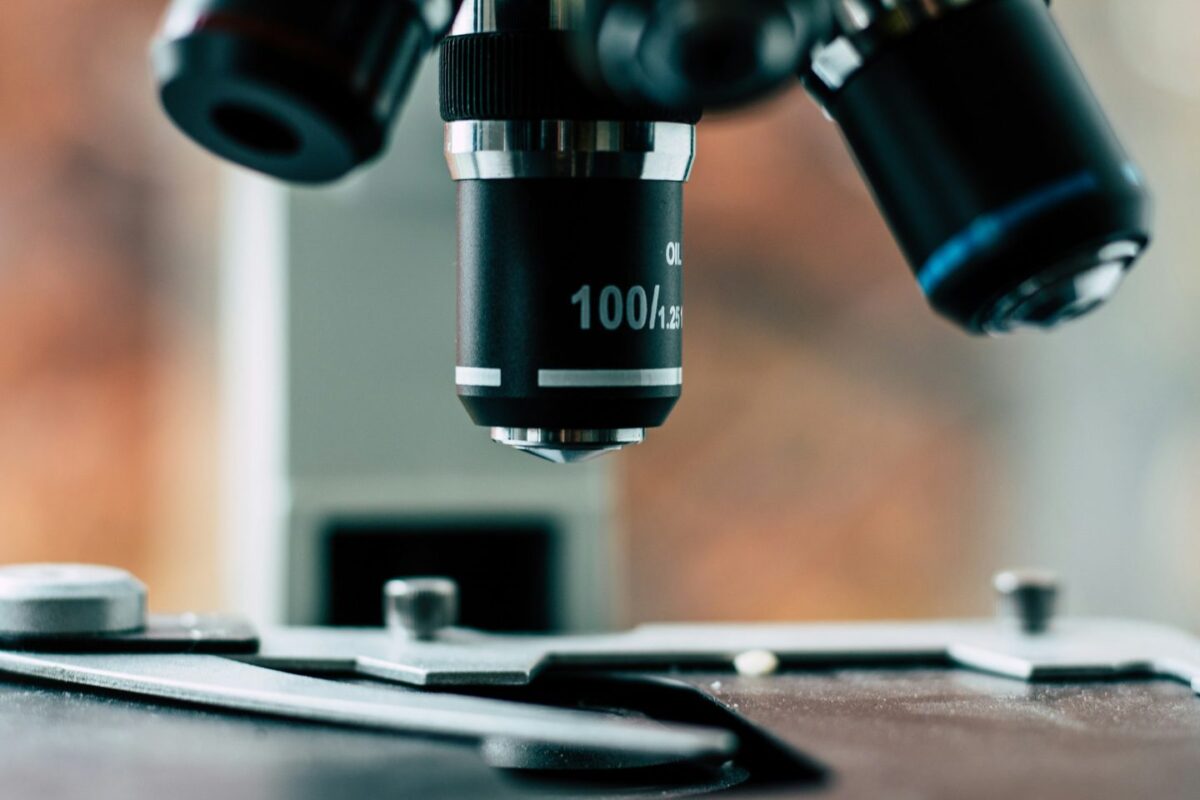
Lab testing in our building
Our hospital has an in-house laboratory. When your dog or cat needs bloodwork or other tests, many of them can be run right here instead of being sent out. That often means the doctor can review results and talk with you about next steps while you are still at the visit. Some tests still go to an outside lab. When that happens, we will tell you and explain how you will hear about the results.
Common tests
- Bloodwork. A blood count looks at red cells, white cells, and platelets. A chemistry panel shows how organs like the kidneys and liver are working, along with blood sugar and other values.
- Urine tests. A urinalysis can point to infection, crystals, kidney changes, or diabetes.
- Stool tests. A fecal test looks for intestinal parasites that you often cannot see. Read more on our parasite prevention page.
When the doctor recommends lab work
Lab tests help when your pet is sick and the cause is not clear, such as with vomiting, diarrhea, drinking more water than usual, weight loss, or low energy. They also help the doctor check how a pet is doing on long-term medicine. Many problems show up in lab results before a pet looks sick. Repeat tests over time also help the doctor see whether a problem is getting better, staying the same, or getting worse, which guides changes to treatment.
Screening before anesthesia
Before surgery or a dental cleaning, most pets have pre-anesthetic bloodwork. It helps the doctor find hidden problems and choose the safest anesthesia plan. Having a lab in the building makes it easier to test close to the day of the procedure. You can read more about surgery and dental care.
Senior screening
Dogs and cats age faster than people do. Once your pet reaches the senior years, the doctor may suggest regular bloodwork and a urine test along with the exam. Changes in the kidneys, liver, or thyroid are easier to manage when they are caught early, often before you notice anything at home.
Getting ready for a lab visit
Some tests need your pet to skip food for a few hours first, so ask when you book. For a stool or urine test, we can tell you how to collect a fresh sample at home. To set up a visit in Woodbridge, request an appointment or call (703) 680-4646.
Common questions
How soon will I get results?
It depends on the test. Some results can be reviewed during the visit, while samples sent to an outside lab take longer. We will tell you what to expect when the sample is taken.
Does my pet need to fast before bloodwork?
Sometimes. Certain tests are more accurate on an empty stomach. Call (703) 680-4646 before the visit and we will let you know.
Why is bloodwork recommended before anesthesia?
It can reveal organ or blood cell problems that an exam cannot. That information shapes the anesthesia plan for your pet.
How do I collect a urine sample at home?
For dogs, catch some urine in a clean container during a walk and bring it in soon after. For cats, ask us about the easiest way, or the doctor can collect a sample at the visit.
Why does my pet need a stool test if it seems healthy?
Many intestinal parasites cause no signs at first, and some can spread to people. A routine fecal test catches them early.
When should my pet start senior screening?
Many dogs and cats are considered seniors around age seven, and large dogs may age sooner. The doctor will suggest a schedule that fits your pet.
Can lab tests find every problem?
No single test does. Lab results are one piece of the picture, along with the exam, your pet's history, and sometimes x-rays.
Questions, or ready to book?
Call us during open hours or send a request online and we will call you back to set a time.