
General surgery
General soft-tissue surgery for dogs and cats in Woodbridge, including lump and mass removals and abdominal procedures, with close monitoring and pain relief.
What surgery here covers
Our doctors perform general soft-tissue surgery for dogs and cats. That includes removing lumps and masses from the skin and the tissue just below it, and abdominal procedures, such as removing a swallowed object or taking a closer look at an organ. Routine spay and neuter surgery has its own page. We do not perform orthopedic or specialty surgery. If your pet needs that kind of care, the doctor will talk with you about a referral.
Why a new lump should be checked
Many lumps on dogs and cats turn out to be harmless. Some are not, and you cannot tell which is which by looking or feeling. A lump that is new, growing, changing shape, or bothering your pet is worth an exam. The doctor may take a small sample with a fine needle to look at the cells. Removing a mass while it is small usually means a simpler surgery and an easier recovery.
Before surgery
Every surgery starts with a physical exam. Most pets also have bloodwork ahead of time, often run in our in-house laboratory, to see how the organs are working and to help plan anesthesia. You will get instructions about food and water the night before, plus a time to drop your pet off. Bring a list of any medicines or supplements your pet takes.
Anesthesia and safety
Your pet is fully asleep under general anesthesia. The plan is chosen for your pet’s age, size, and health. A team member watches breathing, heart rate, and other vital signs from start to finish. Pain control is part of every plan, before, during, and after surgery. You can read more on our pain management page.
Recovery at home
- Keep your pet quiet, with short leash walks only, for as long as the doctor advises.
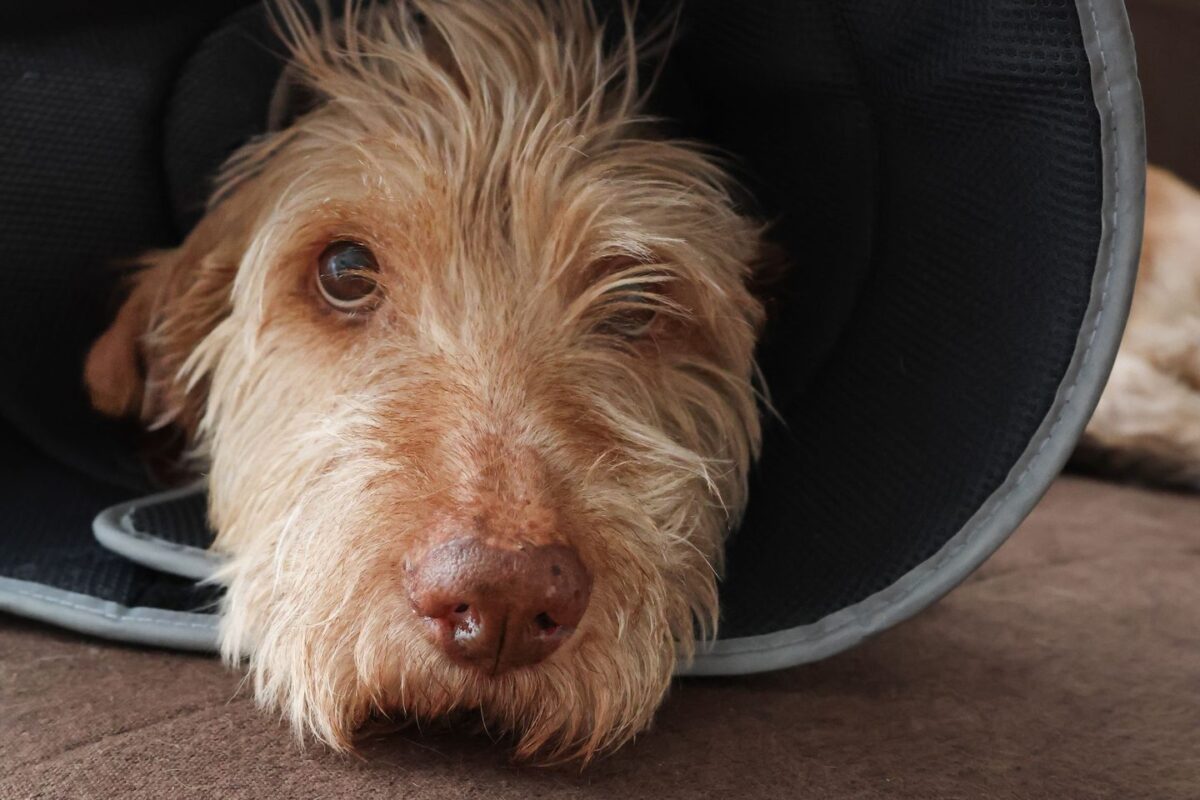
- Use the cone every time you cannot watch your pet. Licking and chewing are the most common reasons an incision opens.
- Look at the incision once or twice a day. A little redness at the edges is normal at first.
- Give medicine exactly as the label says. Never give human pain relievers.
- Keep the incision dry. No baths or swimming until the doctor says it is okay.
When to call us
Call us right away at (703) 680-4646 if you see bleeding from the incision, swelling that keeps growing, a gap in the skin, or discharge that smells bad. Also call if your pet will not eat for more than a day, keeps vomiting, or seems very weak. If we are closed, see our after-hours emergencies page. To schedule a lump check or a surgery consult, request an appointment.
Common questions
Does every lump need to be removed?
No. Many lumps are harmless, but only testing can tell for sure. The doctor will examine it, may take a small sample, and talk with you about whether removal makes sense.
Why does my pet need bloodwork before surgery?
Bloodwork can show problems with the liver, kidneys, or blood cells that you cannot see from the outside. The results help the doctor choose the safest anesthesia plan.
Can my pet eat before surgery?
Usually not after the evening before, but follow the exact instructions we give you. Call (703) 680-4646 if you are not sure.
How long does my pet wear the cone?
Most pets wear it until the incision has healed, often around 10 to 14 days. Taking it off early is a common cause of problems.
Will my pet be in pain after surgery?
Pain control is built into every surgery plan. Your pet goes home with clear instructions, and you should call us if your pet seems uncomfortable.
Do you do orthopedic surgery?
No. We perform general soft-tissue surgery. If your pet needs bone or joint surgery, the doctor will discuss a referral with you.
When are stitches removed?
It depends on how the incision was closed. Some stitches sit under the skin and dissolve, and others need a quick recheck to come out. We will tell you which applies to your pet.
Questions, or ready to book?
Call us during open hours or send a request online and we will call you back to set a time.