
Wellness exams
A yearly wellness exam at our Woodbridge hospital lets your vet check your dog or cat nose to tail and catch small problems while they are easier to treat.
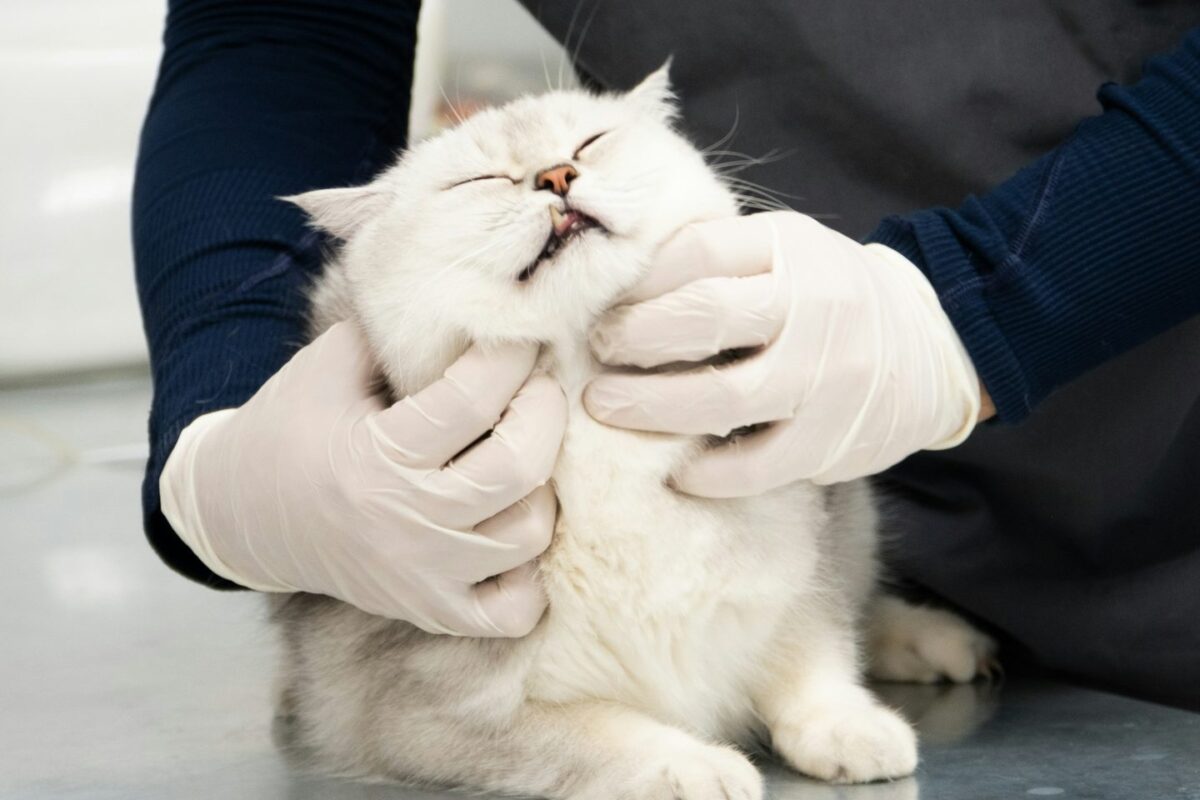
What happens at a wellness exam
Most visits start with a few questions. We ask how your pet is eating, drinking, sleeping, and acting at home, and whether anything has changed since the last visit. Small details, like a cat who hides more or a dog who is slow on the stairs, often matter.
Then the hands-on part. A typical exam includes:
- Weight and body condition, so we can spot slow gains or losses.
- Eyes, ears, nose, and mouth, including a look at the teeth and gums.
- Heart and lungs with a stethoscope.
- Belly, lymph nodes, skin, and coat, feeling for lumps or tender spots.
- Joints and movement, especially in older pets.
This is also your time to ask questions. Nothing is too small. Changes in thirst, bad breath, a new lump, scratching at night, or trouble jumping onto the couch are all worth bringing up, even if they seem minor.
Based on what we find, the veterinarian may suggest vaccines, a parasite test, or lab work from our in-house laboratory. You will always hear what we recommend and why before anything is done.
How often your pet needs a checkup
Puppies and kittens
Young pets are seen several times in their first months, usually every few weeks while they finish their vaccine series. These early visits are also a good time to talk about house training, litter habits, and when to plan for spay or neuter surgery.
Adult dogs and cats
For a healthy adult, once a year is the general rule. Pets age faster than people do, so a year between visits is a long stretch in their lives. Indoor cats need yearly exams too, since cats are very good at hiding illness.
Senior pets
Many veterinarians suggest checkups twice a year once a pet reaches its senior years, which for many dogs and cats is around seven or older. Large-breed dogs may get there sooner. Senior visits often include blood and urine tests to watch the kidneys, liver, and thyroid over time.
How to get ready
Bring a list of questions and any changes you have noticed. If your pet takes medicine or supplements, bring the names or the bottles. A fresh stool sample is helpful for parasite testing. Cats travel best in a carrier with a towel over it.
If this is your first time with us, our first visit page explains what to expect. When you are ready, request an appointment online or call (703) 680-4646. We see dogs and cats from Woodbridge, Dale City, and nearby.
Common questions
How long does a wellness exam take?
Plan on about 30 minutes for most routine visits. It can run longer if your pet needs vaccines, lab work, or if you have several concerns to talk through.
My pet seems healthy. Does it still need a yearly exam?
Yes. Dogs and cats tend to hide early signs of illness, and problems like dental disease or weight gain can creep up slowly. A yearly exam gives us a baseline to compare against.
Will my pet need blood work at every visit?
Not always. The veterinarian will suggest lab tests based on your pet's age, history, and exam findings, and will explain the reason before running anything.
Should I bring a stool sample?
If you can, yes. A fresh sample collected the same day lets us check for intestinal parasites without an extra trip.
Do indoor cats really need checkups?
They do. Indoor cats can still develop dental disease, kidney problems, and weight issues, and they often show few signs until a problem is advanced.
Can I book my dog and cat on the same day?
In most cases, yes. Mention both pets when you call (703) 680-4646 so we can set aside enough time.
What if my pet gets nervous at the vet?
Let us know ahead of time. Bringing a favorite treat, a familiar blanket, or a carrier your cat already knows can help a lot.
Questions, or ready to book?
Call us during open hours or send a request online and we will call you back to set a time.